
Kyrenia · Kuzey Kıbrıs
DTB Physio clinical team
Meet the DTB Physio clinical team and understand their roles in assessment and rehabilitation.
Doctor-first when needed. Rehab-focused every step.
The care path combines medical review, physiotherapy assessment, sports rehabilitation, and return-to-movement planning.
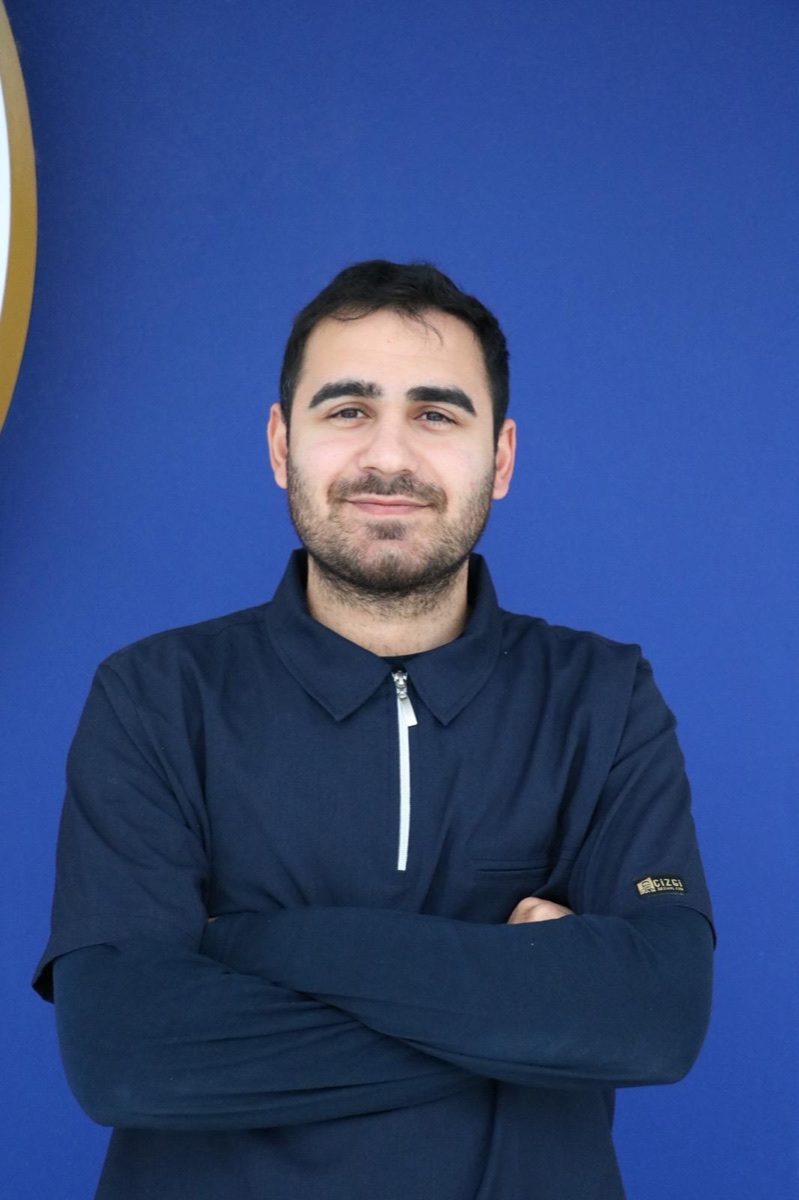
Harun Yıldırım
Physiotherapist
Physiotherapy and Rehabilitation graduate from Near East University, working across sports rehabilitation, pain management, manual therapy, and return-to-play processes.
Doğan Türk Birliği A Team, women’s team, and youth team rehabilitation support.
- Near East University, Physiotherapy and Rehabilitation, 2022
- Osteopathic manual therapy, sports rehabilitation, and pain management training
- AC-OMT & Dura Osteopathy Association, 130 hours
- Ongoing master’s degree in Physiotherapy and Rehabilitation

Op. Dr. Hasan Gümüşdağ
Orthopedics and Traumatology Specialist
Orthopedics and traumatology specialist with sports injuries and sports surgery education, supporting the clinical pathway when medical review is needed.
Serving Doğan Türk Birliği Sports Club since 1997 as manager and club doctor.
- İstanbul Üniversitesi, İstanbul Tıp Fakültesi
- Orthopedics and Traumatology specialization, Ege Üniversitesi, 1996
- Fulbright training at University of California, San Francisco
- ESSKA scholarship in Milan, Italy
- K.K.T.C. Football A National Team doctor
How do physiotherapy and orthopaedics fit into one care pathway?
Not every musculoskeletal concern needs the same starting point. Significant recent trauma, unexplained swelling, progressive weakness or findings that may require a medical decision can make orthopaedic review the appropriate first step. A movement or load-tolerance problem without warning signs may begin with physiotherapy assessment. Clear role boundaries help avoid unnecessary delay while ensuring that symptoms outside physiotherapy scope are referred appropriately.
Op. Dr. Hasan Gümüşdağ provides medical and orthopaedic review when indicated. Physiotherapist Harun Yıldırım measures pain behaviour, movement, strength, balance and everyday or sporting function before planning rehabilitation. After surgery, medical restrictions and tissue-healing stages are considered alongside exercise selection and progression. One role does not replace the other; each contributes a different clinical responsibility to the same functional goal.
How does the team measure rehabilitation progress?
The first appointment records more than a pain score. Goals such as stairs, walking, lifting, reaching, running or changing direction are translated into observable tasks. Relevant movement, strength and tolerance measures are recorded at the start and repeated as the programme develops. Treatment is therefore adjusted to the response rather than repeating the same session by habit.
For an athlete, field demands, training volume and stages of team reintegration are considered. For a daily-life goal, work duration, household tasks and a sustainable independent exercise routine may matter more. The education and experience shown on this page come from the clinic’s published team records; no unverified registration, title or qualification is added.
What should you tell the team before the first appointment?
In the booking message, identify the area of concern, when it began, whether there has been recent trauma or surgery, and the task that is most limited. Bring any referral, operation protocol, imaging report and current medication list if available. These documents do not replace examination, but they help the team understand medical history and relevant restrictions.
Athletes should describe their sport, position, normal weekly training and intended return date. For a work-related concern, explain the amount of sitting, lifting, walking or repeated arm use in a typical day. This allows the assessment to focus on the actual tasks that need to be restored rather than a generic set of movements.
The team should not diagnose conclusively or guarantee an outcome through a message. First contact is for choosing the appropriate appointment and identifying symptoms that need urgent or medical review. After an in-person assessment, the plan, expected review interval and measures used to track change should be explained clearly.
Questions during the appointment are part of good care. You should understand why an exercise was selected, how often to use the home programme, what adjustment to make if symptoms increase, and which findings require renewed medical review. Clear guidance supports safer decisions outside the clinic as well as during supervised sessions.