Kyrenia · Kuzey Kıbrıs
How Does Ankle Physiotherapy Work? Treatment and Exercises
Physiotherapy and Rehabilitation
Ankle pain, swelling or restricted movement can make walking, maintaining balance and taking part in everyday activities more difficult. Sprains, recovery after a fracture and tendon problems are among the situations in which ankle rehabilitation may be considered.
Ankle physiotherapy aims to improve movement, muscle strength and balance, support pain management and help people return safely to activity through appropriate exercise and, when needed, supportive methods. Treatment is planned according to the cause of the problem and the assessment findings.
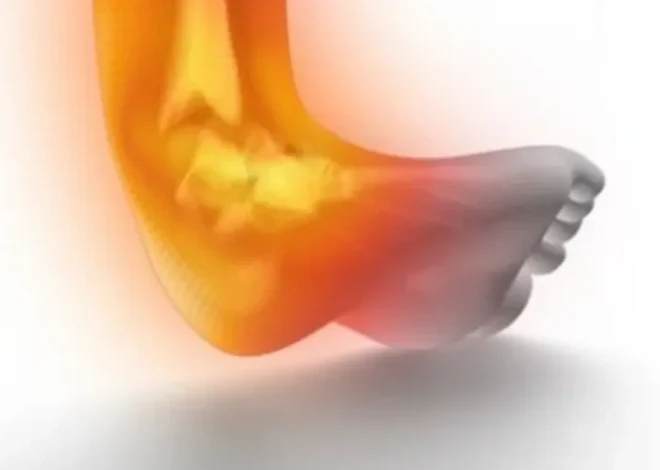
What Is Ankle Physiotherapy?
Ankle physiotherapy is a rehabilitation approach that assesses joint movement, the function of surrounding muscles, balance and walking capacity. Exercise and movement education may be combined with manual techniques or supports in suitable patients. Not everyone needs the same methods.
Why Is Ankle Physiotherapy Important?
The ankle helps bear body weight, adapt to the ground when walking and maintain balance. Injury or loss of strength can affect these functions. Rehabilitation aims to rebuild movement and load-bearing capacity; reduced pain alone does not mean that strength and joint control have fully recovered.
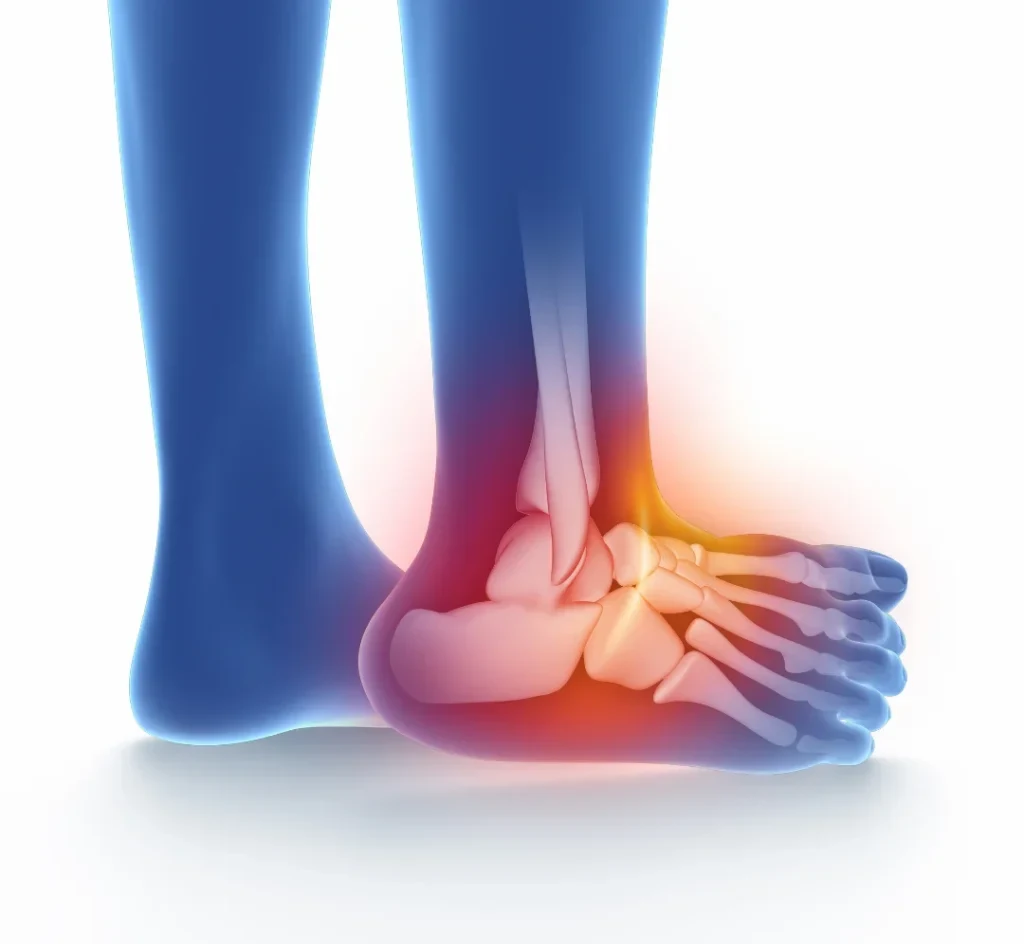
Who May Benefit from Ankle Physiotherapy?
Ankle Sprains and Dislocations
A sprain involves stretching or tearing of the ligaments that support a joint. It can happen during sport, everyday walking or on uneven ground. A dislocation means that the joint surfaces have moved out of their normal position and is different from a sprain. A suspected dislocation requires urgent medical assessment. Do not try to put the joint back into place yourself.
A sprain may involve other tissue injuries or an avulsion fracture, in which a small piece of bone is pulled away with a ligament. For suitable patients, rehabilitation is planned to improve range of motion, muscle strength and balance.
Rehabilitation After an Ankle Fracture
A fracture may affect one or more bones around the ankle. A suspected fracture must be medically assessed, with X-rays or other imaging when indicated. Physiotherapy after a fracture is planned in line with the healing process and weight-bearing restrictions specified by the treating doctor.
Tendinopathy
The tendons around the ankle contribute to movement and joint support. Excessive or unfamiliar loading can cause tendon-related pain and reduced function. Tendinopathy does not always mean inflammation alone, and it cannot be said that every case inevitably progresses to a tendon rupture. Loading and exercise are adjusted according to the assessment findings.
Ankle Osteoarthritis
Osteoarthritis can cause ankle pain, stiffness and restricted movement. Physiotherapy assesses joint movement, muscle strength, walking and everyday loading. The aim is to support movement and everyday activity; it does not promise to eliminate structural joint changes.
Which Symptoms May Need Assessment?
Symptoms may vary according to the type of injury and the person's history. Problems that may need assessment include:
- Ankle pain and swelling
- Loss of balance or a feeling that the joint is unstable
- Difficulty putting weight through the foot or bearing weight
- Stiffness in the joint and surrounding muscles
- Difficulty rising onto the toes or loss of strength
- Pain in tendons around the ankle, such as the Achilles tendon
If there is an obvious deformity or an inability to bear weight after an injury, medical assessment is needed first. Do not start home exercises before the possibility of a dislocation or fracture has been clarified.
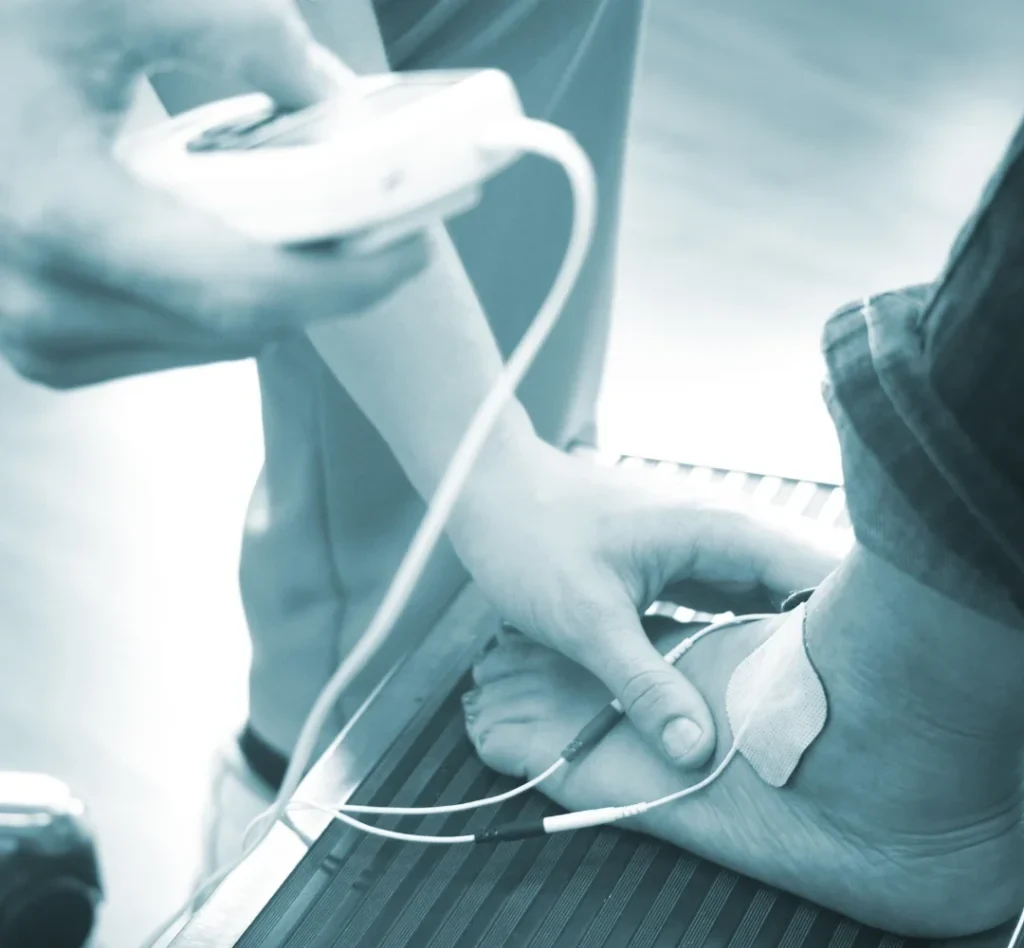
How Does Ankle Physiotherapy Work? Seven Approaches
The physiotherapist asks how the symptoms began and about the injury history, then assesses range of motion, strength, balance and load-bearing capacity. Referral for medical investigation is made when necessary. The following methods are selected according to the assessment findings; they do not all need to be included in the same programme.
1. Joint Mobilisation
Mobilisation involves controlled movement techniques used to improve joint movement. In suitable patients, it may help reduce movement restrictions and make walking more comfortable. The direction and intensity of the technique are chosen with tissue healing and symptoms in mind.
2. Strengthening and Movement Control Exercises
Exercises for the calf and ankle muscles aim to improve muscle strength and joint support. Movement control and balance exercises may help the foot adapt to changes in position. Loading is increased gradually according to the stage of healing and the person's response.
3. Massage and Manual Therapy
Manual techniques applied to muscles and other soft tissues may help manage pain and restricted movement in suitable patients. Massage or manual therapy is not appropriate for every tissue injury and should not replace an active exercise programme.
4. Therapeutic Ultrasound
Therapeutic ultrasound is a device-based intervention and is different from diagnostic ultrasound imaging. Ultrasound is not recommended as a treatment for acute ankle sprains. If considered for another condition, its necessity and the available evidence should be assessed separately; it should not be presented as a standard or essential method of improving recovery.
5. Shockwave Therapy
Shockwave therapy may be considered in selected situations, such as certain tendon problems. It cannot be described as suitable or effective for every ankle injury. Any decision to use it should take account of the clinical condition, the suitability of the method and the relevant scientific evidence.
6. Orthoses, Ankle Supports and Appropriate Footwear
For some patients, orthoses, ankle supports or appropriate footwear may help manage loading and support everyday movement. These supports are selected according to individual needs; they do not meet all rehabilitation needs on their own.
7. Taping and Bracing
Taping or a brace may be used in certain situations when additional support is needed during activity. The choice and duration of use should be planned with a physiotherapist or doctor. These measures do not guarantee prevention of reinjury and do not replace exercise and a gradual return to activity.
Recovery time varies according to the type and severity of the injury. Pain and swelling may improve before muscle strength and joint control recover. Returning to work or sport should therefore depend on assessment of movement and load-bearing capacity, rather than the disappearance of pain alone.
Potential Benefits of Physiotherapy
- Helping manage pain and swelling
- Improving the strength of the ankle and surrounding muscles
- Supporting balance and joint control during movement
- Improving range of motion, flexibility and capacity for everyday activity
Outcomes depend on the diagnosis, the nature of the injury and the response to rehabilitation. Complete recovery or the elimination of pain cannot be guaranteed.
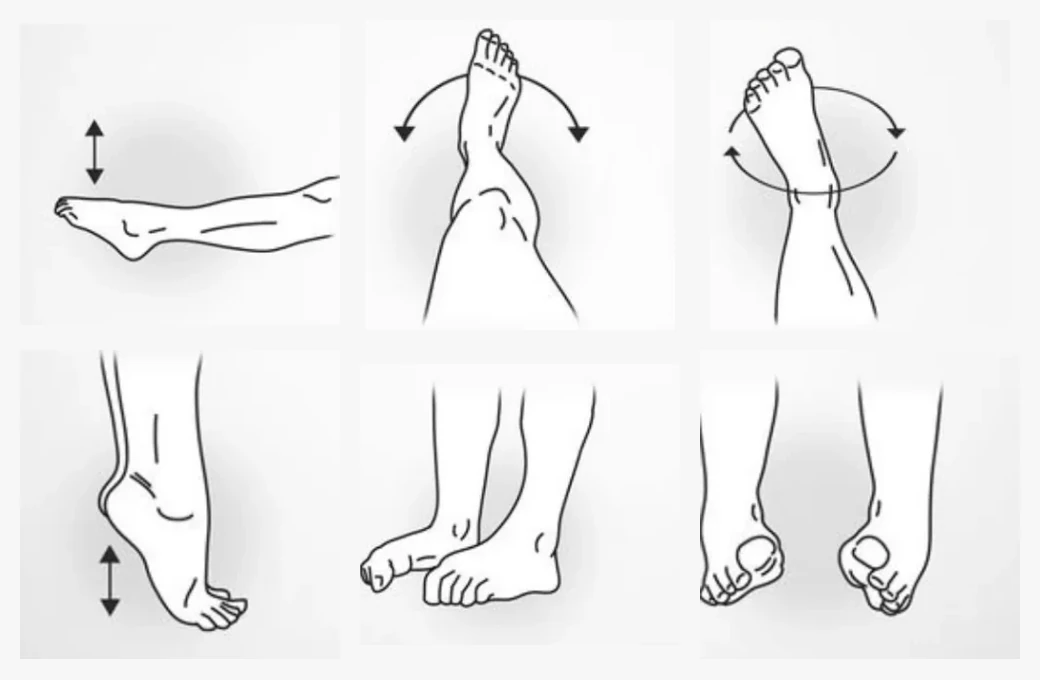
What Types of Exercise Are Used in Rehabilitation?
- Strengthening: controlled exercise for the ankle and calf muscles.
- Mobility and flexibility: maintaining or improving joint movement within appropriate limits.
- Balance: supporting safe movement through activities such as weight shifting and standing on one leg.
The difficulty of the exercises is adjusted to individual capacity. Balance exercises should be performed beside a safe support, with the eyes open initially. More challenging variations, such as closing the eyes, should only be considered following appropriate assessment and with supervision.

Three Examples of Home Exercises
The following movements are general examples, not an individually prescribed exercise programme. Before starting, check that they are appropriate and clarify any weight-bearing restrictions, particularly after a recent injury, fracture or surgery. Stop and seek assessment if a movement causes significant pain, increasing swelling or a feeling of instability.
1. Drawing the Alphabet with the Foot
Sit with your heel supported and imagine drawing small letters in the air with your big toe. Move the ankle slowly and with control, within a comfortable range of motion. Do not force a larger movement.
2. Single-Leg Balance and Clock Exercise
Stand beside a secure support and balance on the leg that has been considered suitable for the exercise. Imagine a clock face in front of you and lightly touch imaginary points on the floor with the toes of the other foot. Begin with points in the front semicircle that are easy to reach; progress to reaching farther or in other directions only when safe and appropriate.
3. Heel Raises
Stand with both feet on the floor and your hands close to a secure support. Within your permitted weight-bearing limits, slowly lift your heels to rise onto your toes, pause briefly, then lower them with control. The number of repetitions and progression should be determined by your individual plan.
Frequently Asked Questions
How many ankle physiotherapy sessions are needed?
The number of sessions depends on the type and severity of the injury, examination findings and the response to rehabilitation. There is no fixed number that applies to everyone. The plan may be updated during assessment and follow-up.
How much does ankle physiotherapy cost?
The cost may vary according to the assessment required and the planned interventions. Contact DTB Physio for current appointment and pricing information. A particular session package or total treatment cost should not be assumed before an examination.
Is ankle physiotherapy suitable for everyone?
Many people with ankle pain, restricted movement, weakness or balance difficulties may benefit from assessment. However, the appropriate methods differ from person to person. A suspected dislocation or fracture requires medical assessment first.
Can ankle physiotherapy be done at home?
Some exercises may be performed at home when considered appropriate. Their selection, difficulty and frequency should be agreed with a physiotherapist. Home exercises do not replace necessary medical assessment or in-person rehabilitation.
Conclusion and Contacting DTB Physio in Kyrenia
Ankle rehabilitation may help suitable patients with everyday movement and a return to activity. The right starting point is an assessment of the cause of the symptoms and the person's needs. You can explore the physiotherapy and rehabilitation services offered by DTB Physio at the Doğan Türk Birliği facilities in Kyrenia, or find appointment and contact details.
This article provides general information and does not replace medical diagnosis, examination or individual treatment advice.
Scientific reference: Clinical practice guideline on lateral ankle ligament sprains (JOSPT, 2021).