
Kyrenia · Kuzey Kıbrıs
Why Do the Soles of Your Feet Burn? Causes, Treatment and Physiotherapy
Physiotherapy and Rehabilitation
A burning sensation, feeling of heat or tingling in the soles of the feet is a symptom that can occur from time to time. For some people it develops after standing for long periods, while others notice it particularly at night.
Burning feet are not always simply a result of tiredness. Nervous system problems, diabetes, vitamin deficiencies, skin conditions and certain mechanical factors can cause these symptoms.
Appropriate treatment therefore depends first on identifying the underlying cause of the burning sensation.
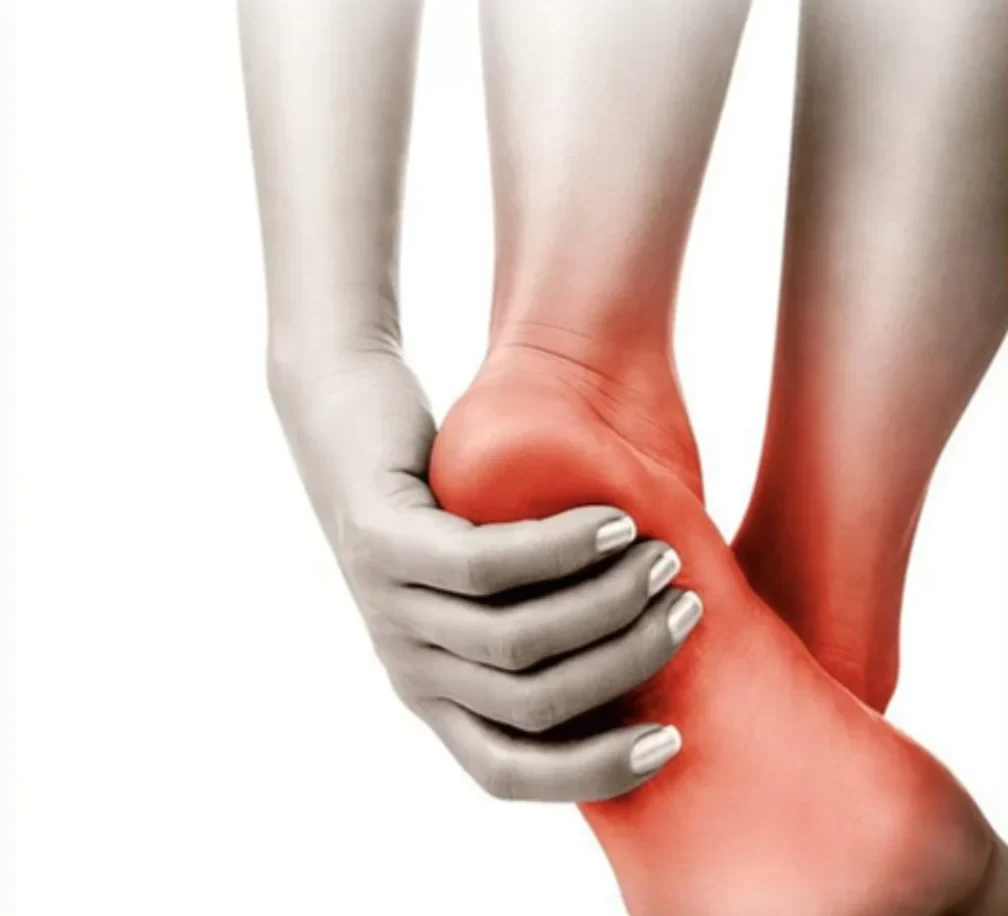
What Is a Burning Sensation in the Soles of the Feet?
A burning sensation in the soles is an uncomfortable feeling of heat, prickling or burning that may occur whether or not the feet are actually warm.
Some patients describe their feet as feeling hot from within or as though they are burning.
The burning sensation may be accompanied by:
- Tingling and numbness in the soles
- Pins and needles or an electric shock-like sensation
- Pain and tenderness in the feet
- Discomfort that worsens at night
- Loss of sensation in the toes
- Redness or swelling in some cases
Feet that are genuinely warmer and red may indicate different causes from a burning sensation when the skin temperature is normal.
What Causes Burning Feet?
1. Peripheral Neuropathy
Peripheral neuropathy is a condition in which nerves outside the brain and spinal cord become damaged or do not function normally.
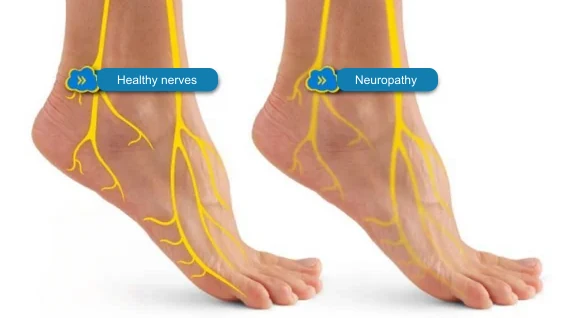
It can cause burning, tingling, numbness and loss of sensation, particularly in the feet.
Symptoms sometimes affect both feet in a similar way and may become more troublesome at night.
As peripheral neuropathy has several possible causes, symptoms alone cannot establish a definite diagnosis.
2. Diabetic Neuropathy (Diabetes-Related Nerve Damage)
Diabetes is an important cause of peripheral neuropathy.
Blood glucose levels that remain high over a long period can damage peripheral nerves.
People who develop diabetic neuropathy may experience burning, numbness, tingling and reduced sensation in their feet.
Loss of sensation can make minor injuries harder to notice, so regular foot checks are particularly important for people with diabetes.
3. Tarsal Tunnel Syndrome
Tarsal tunnel syndrome is associated with compression of the tibial nerve as it passes through a tunnel on the inner side of the ankle.
This nerve compression can cause burning, tingling, numbness or pain in the sole of the foot.
Some people find that symptoms increase during prolonged standing or walking.
Treatment for tarsal tunnel syndrome is planned according to the cause of the nerve compression and the severity of the symptoms.
4. Vitamin Deficiencies and Metabolic Conditions
Vitamin B12 deficiency, in particular, can affect normal nervous system function and may lead to neuropathy in some patients.
Certain systemic conditions, such as thyroid disorders and kidney disease, can also cause symptoms involving peripheral nerves.
In these situations, the suspected deficiency or condition should be medically assessed before starting vitamin supplements or another treatment.
5. Fungal Infections and Skin Conditions
Athlete's foot, skin irritation and some allergic reactions can also cause a burning sensation in the feet.
In these cases, burning may be accompanied by itching, redness, peeling or cracked skin.
Treatment depends on the underlying problem and requires medical assessment when appropriate.
6. Footwear and Mechanical Pressure
Tight shoes, unsuitable shoe soles, or repeated pressure on particular areas can cause discomfort in the feet.
Some people notice increased symptoms after standing for long periods or undertaking intense physical activity.
However, recurrent burning should not be assumed to be caused solely by footwear.
7. Other Causes
Some medicines, circulation problems and rare conditions affecting blood vessels or the nervous system can also cause burning feet.
For example, the rare condition erythromelalgia can cause marked redness, increased warmth and burning pain in the feet.
Medical assessment is therefore important when symptoms persist or have no clear explanation.
Why Can Burning Feet Feel Worse at Night?
Some people notice burning in the soles particularly before going to bed or during the night.
Symptoms related to peripheral neuropathy can worsen at night and disturb sleep.
However, night-time burning alone does not establish the diagnosis of a particular condition.
Assessment should consider when the symptoms began, how long they last and whether numbness or weakness is also present.
How Is the Cause of Burning Feet Identified?
The assessment is planned around the patient's symptoms and medical history.
A doctor may ask how long the symptoms have been present, whether both feet are affected, which medicines the patient takes and whether there are any other medical conditions.
The examination may assess:
- The condition, colour and temperature of the skin on the feet
- Loss of sensation or other sensory changes
- Muscle strength and reflexes
- Foot and ankle movement
- Signs relating to circulation, when needed
Depending on the suspected cause, blood glucose, vitamin B12 and other relevant blood tests may be requested.
Some patients may need nerve conduction studies, electromyography (EMG) or appropriate imaging.
Not every patient needs the same tests.
How Are Burning Feet Treated?
Treatment for burning feet depends on the cause of the symptoms.
For diabetes-related nerve damage, blood glucose management and regular follow-up are important. If a vitamin deficiency is identified, appropriate treatment can be planned.
Fungal infections require the relevant medical treatment, while appropriate footwear and adjusting physical loading may help with symptoms related to mechanical pressure.
A doctor may consider medicines for some patients with neuropathic pain.
The aim is not only to reduce the burning sensation temporarily, but also to address the underlying cause where possible.
The Role of Physiotherapy for Burning Feet
Physiotherapy is not suitable for every patient with burning feet and is not always sufficient on its own. The role of rehabilitation should be determined by the underlying cause and the patient's clinical condition.
However, it may contribute to rehabilitation in appropriate cases where symptoms are associated with musculoskeletal problems, certain nerve compressions or limitations in movement and function.
Exercise and Muscle Strengthening
Exercises for the foot, ankle and lower limb muscles may be planned according to the patient's assessment findings.
These exercises aim to improve muscle strength, movement control and functional capacity.
Balance and Gait Training
Some patients who have balance or walking difficulties because of nerve damage may benefit from balance and gait exercises that support safe movement.
The difficulty of the exercises should be adjusted to the patient's physical condition and risk of falling.
Mobility and Load Management
Assessing foot and ankle mobility, adjusting everyday physical loads and planning appropriate exercise may support rehabilitation for some mechanical problems.
Footwear and Supportive Measures
Appropriate footwear, insoles or supports that reduce pressure may be considered for some patients.
However, these measures should be selected according to the patient's needs and should not be regarded as standard treatment for every burning sensation.
Manual Therapy and Other Supportive Methods
Manual therapy or other supportive interventions may be considered for specific musculoskeletal problems.
However, these methods cannot be said to treat every type of neuropathic burning sensation.
Heat treatments and the use of therapeutic devices require careful consideration, particularly in patients with reduced sensation.
Physiotherapy does not replace medical treatment for underlying systemic conditions such as diabetes or vitamin deficiency.
What May Help Reduce Burning Feet?
Depending on the cause, certain everyday habits may help reduce discomfort:
- Choosing well-fitting, breathable shoes that do not squeeze the feet
- Checking the feet regularly and maintaining skin hygiene
- Avoiding long periods in the same position
- Adjusting physical activity to individual capacity
- Continuing recommended medical follow-up for diabetes or other chronic conditions
If sensation in the feet is reduced, hot-water bottles, heaters or applying ice directly can carry a risk of burns or skin damage.
People with neuropathy or diabetes should therefore avoid uncontrolled use of heat and cold.
When Should You See a Doctor?
Medical assessment is recommended if burning in the soles becomes persistent, gets progressively worse or is accompanied by numbness and weakness.
Seek help without delay, particularly if you have:
- New or rapidly progressing marked loss of sensation or muscle strength
- A foot wound with signs of infection, especially if you have diabetes
- Sudden severe foot pain or burning accompanied by a marked colour change, coldness or weakness
Proper assessment of burning feet is important for identifying suitable treatment and preventing possible complications.
Frequently Asked Questions
Are burning feet always a sign of diabetes?
No. Diabetes is an important cause, but vitamin deficiencies, nerve compression, skin problems and other conditions can also cause burning.
Which doctor should I see for burning feet?
A GP or a relevant medical specialist can provide an initial assessment. Depending on the findings, you may be referred to neurology, internal medicine or another specialty.
Can physiotherapy relieve burning feet?
The outcome depends on the cause. For suitable patients, physiotherapy may help manage problems with movement, strength and function. However, not every burning sensation can be treated with physiotherapy.
Do burning feet require an MRI scan?
Not every patient needs an MRI scan. The need for imaging depends on the examination findings and the suspected condition.
Is burning in the soles at night dangerous?
Night-time burning alone does not mean that a serious condition is present. However, recurring or progressing symptoms should be assessed, particularly when accompanied by numbness and loss of sensation.
Foot and Ankle Rehabilitation in Kyrenia: DTB Physio
Based at the Doğan Türk Birliği facilities in Kyrenia, DTB Physio provides assessment-led physiotherapy and rehabilitation for movement limitations and musculoskeletal problems affecting the foot and ankle.
For patients with burning sensations in the soles, it is important to assess the possible causes and refer to the appropriate medical specialty when needed.
Where physiotherapy is considered suitable, an individual programme of exercise, movement education and supportive rehabilitation methods can be planned.
This article provides general information. It does not replace medical diagnosis, examination or individual treatment advice.