Kyrenia · Kuzey Kıbrıs
How Does Neck Physiotherapy Work? Assessment and Rehabilitation
Physiotherapy and Rehabilitation ·
Neck pain is a common musculoskeletal complaint that can affect daily activities, mobility, and quality of life. Spending long periods in the same position, excessive muscle strain, restricted movement, and certain spinal conditions may contribute to pain in the neck.
However, not all neck pain has the same underlying cause. A physiotherapy programme should therefore be based not only on where the pain is felt, but also on the individual's symptoms, physical assessment findings, and daily needs.
Neck physiotherapy is a rehabilitation approach designed to help manage pain, improve mobility, and support a safe return to everyday activities.
At DTB Physio in Kyrenia (Girne), North Cyprus, neck rehabilitation is planned individually, based on clinical assessment findings and each patient's functional needs.
What Is Neck Physiotherapy?
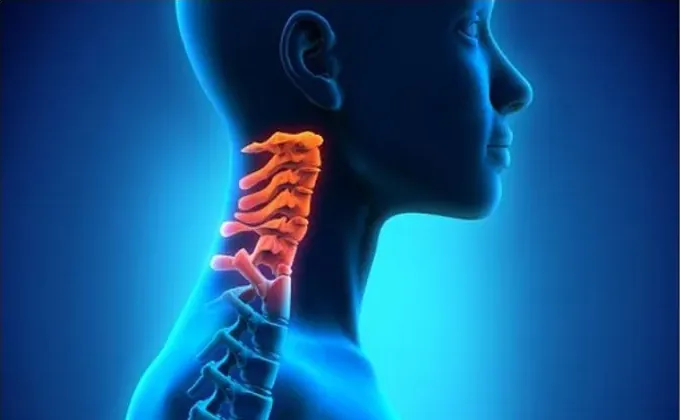
Neck physiotherapy involves the assessment and rehabilitation of problems affecting the cervical spine, surrounding muscles, joints, and related movement systems.
Treatment is not limited to massage or equipment-based procedures. Therapeutic exercises, movement education, manual therapy when appropriate, and other supportive interventions may be considered as part of an individualised rehabilitation programme.
The main goals include:
- Helping reduce and manage pain
- Improving neck range of motion
- Increasing muscle strength and endurance
- Improving movement control during everyday activities
- Supporting a safe and gradual return to physical activity
Not every patient requires the same treatment methods. The rehabilitation programme should be adapted to the individual's clinical condition and progress.
When Might Neck Physiotherapy Be Appropriate?
Physiotherapy may be considered for suitable patients experiencing:
- Persistent or recurring neck pain
- Neck stiffness and restricted movement
- Muscle tension and recurring muscle spasms
- Neck discomfort associated with desk work or daily activities
- Shoulder and upper-back pain related to the neck
- Pain and functional limitations associated with certain cases of cervical disc herniation
- Postoperative rehabilitation when recommended by a physician
If neck pain is accompanied by pain radiating into the arm, numbness, tingling, or muscle weakness, possible neurological involvement should also be assessed.
Depending on the findings, a medical examination or additional investigation may be recommended before beginning physiotherapy.
What Are the Stages of Neck Physiotherapy?
1. Clinical Assessment
The first appointment focuses on understanding the patient's symptoms, medical history, and difficulties with everyday activities.
The physiotherapist assesses neck range of motion, muscle strength, movement control, and neurological signs when indicated.
The purpose is not simply to identify where the pain occurs, but to understand the factors influencing the symptoms and determine the patient's rehabilitation needs.

2. Developing an Individualised Treatment Plan
Following the assessment, a rehabilitation programme is developed according to the patient's needs.
The programme may include therapeutic exercise, movement education, load management, and manual therapy when clinically appropriate.
Treatment goals are established based on the patient's symptoms, physical capacity, and everyday functional requirements.
3. Progressing Through Rehabilitation
Throughout rehabilitation, changes in pain, range of motion, muscle strength, and everyday function are monitored.
Exercise intensity, repetitions, and frequency may be adjusted according to the patient's progress and response.
The aim is to help the patient perform daily activities more comfortably and improve their ability to manage physical demands.
What Treatment Methods Are Used in Neck Physiotherapy?
Therapeutic Exercise
Exercise therapy is a fundamental component of rehabilitation for many types of neck pain.
Exercises may be used to improve the strength and endurance of the neck muscles, maintain or increase range of motion, and improve movement control.
For some patients, the rehabilitation programme may also include exercises targeting the shoulder girdle, shoulder-blade muscles, and upper back.
Exercises should be selected according to the individual's symptoms, physical capacity, and assessment findings. Their difficulty and intensity can be increased gradually when appropriate.
Manual Therapy
Manual therapy includes hands-on techniques applied by a physiotherapist to muscles, joints, and soft tissues.
In suitable patients, these techniques may help reduce pain and improve mobility.
Before applying manual therapy to the neck, the physiotherapist should consider the patient's clinical condition, relevant risk factors, and the suitability of the proposed technique.
Manual therapy may be used as a supportive component of exercise-based rehabilitation when clinically indicated.
For more information about the clinic's approach, explore our physiotherapy and rehabilitation services.

Electrotherapy and Technology-Assisted Treatments
In certain cases, technology-assisted treatments may be considered to support a rehabilitation programme.
At DTB Physio, options may include High-Intensity Laser Therapy (HIL), TECAR therapy, the Super Inductive System (SIS), and combined ultrasound and electrical stimulation treatments, when clinically appropriate.
The suitability of these methods depends on the patient's medical history, assessment findings, and rehabilitation goals.
Technology-assisted treatments are not necessary for every patient and should not replace an active exercise programme. The strength of the scientific evidence supporting these treatments varies depending on the specific intervention and condition being treated.
Movement Education and Daily Habits
An important part of neck rehabilitation involves reviewing everyday movement habits and physical demands.
Avoiding prolonged periods in the same position, taking regular movement breaks, and maintaining physical activity within an appropriate level of tolerance may be beneficial.
The goal is not to enforce one supposedly perfect posture. Instead, rehabilitation aims to help patients move comfortably in different positions and improve their ability to tolerate everyday physical demands.
How Is Physiotherapy Planned for a Cervical Disc Herniation?
A cervical disc herniation is a condition involving structural changes in one of the intervertebral discs in the neck.
Some patients experience neck pain alone, while others may develop pain radiating into the arm, numbness, tingling, or muscle weakness when a nerve root is affected.
For suitable patients, physiotherapy may help manage symptoms and improve functional capacity.
A rehabilitation programme may include controlled exercise, movement education, and appropriate supportive treatments when indicated.
However, progressive muscle weakness or other serious neurological findings require medical assessment before routine rehabilitation.
The aim of physiotherapy is not necessarily to reverse structural changes in the disc, but to help manage the patient's symptoms and improve movement-related function.
For more information about different causes of neck pain, visit our Neck Pain Treatment page.
Physiotherapy After Neck Surgery
Following certain types of neck surgery, rehabilitation may be recommended to help restore muscle function and mobility.
The appropriate time to begin rehabilitation, the types of exercises that can be performed, and the rate at which physical demands may be increased depend on the surgical procedure and the patient's recovery.
Postoperative physiotherapy should therefore be planned individually, taking the surgeon's recommendations into account.
The same rehabilitation programme is not appropriate for every patient or every surgical procedure.
How Many Physiotherapy Sessions Are Needed for Neck Pain?
There is no fixed number of physiotherapy sessions that applies to everyone with neck pain.
Several factors can influence the duration of rehabilitation, including:
- The cause and duration of the symptoms
- How pain affects everyday activities
- The degree of movement restriction
- The patient's general health
- Their response to the rehabilitation programme
- The functional goals established during assessment
Some patients may benefit from a shorter programme, while more complex conditions may require a longer rehabilitation period.
For this reason, it is not appropriate to promise a specific number of sessions or an exact recovery time before an individual assessment.
Which Neck Pain Symptoms Require Medical Attention?
Most cases of neck pain are not caused by a serious medical condition. However, certain symptoms may require prompt medical assessment.
Emergency medical attention may be necessary in situations involving:
- Severe neck pain following a significant car accident, fall, or other trauma
- New or rapidly progressing weakness in the arms or legs
- Newly developed, significant difficulties with walking or balance
- New problems with bladder or bowel control
- Fever accompanied by a severe headache and marked neck stiffness
Other symptoms, such as persistent numbness, night pain that does not improve, or unexplained weight loss, also warrant medical assessment.
When these warning signs are present, appropriate medical evaluation should take priority over routine physiotherapy.
Frequently Asked Questions
What happens during the first neck physiotherapy session?
During the first session, the physiotherapist reviews the patient's symptoms, medical history, neck movements, muscle strength, and difficulties with daily activities.
Based on the assessment findings, suitable rehabilitation goals and an individualised treatment approach are established.
Is it normal to feel pain during neck physiotherapy?
Some exercises may cause mild, temporary discomfort. However, activities that produce severe pain, increase symptoms radiating into the arm, or worsen neurological complaints should be reassessed.
Exercises and treatment intensity should be adjusted according to the patient's response.
Do I need an MRI before starting neck physiotherapy?
An MRI is not necessary for every patient with neck pain.
The need for imaging depends on the symptoms, medical history, and clinical examination findings, and should be determined by a physician.
Can neck physiotherapy provide complete recovery?
Physiotherapy can help reduce pain and improve movement-related function in many patients.
However, outcomes depend on the underlying cause, the individual's clinical condition, and their response to treatment. Complete recovery cannot be guaranteed.
Neck Physiotherapy in Kyrenia: DTB Physio
Located within the Doğan Türk Birliği training facilities in Kyrenia, North Cyprus, DTB Physio provides assessment-led physiotherapy and rehabilitation services for patients experiencing neck pain and restricted movement.
Rehabilitation may combine individualised therapeutic exercises, movement education, and appropriate supportive treatment methods when clinically indicated.
If neck pain or restricted mobility is affecting your daily activities, you can learn more about the clinic and arrange an assessment through DTB Physio in Kyrenia.
This article is provided for general educational purposes only. It does not replace a medical diagnosis, professional examination, or individualised treatment advice.